AI & Automation
AI Cover Letters: How to Use Them Without Sounding Generic
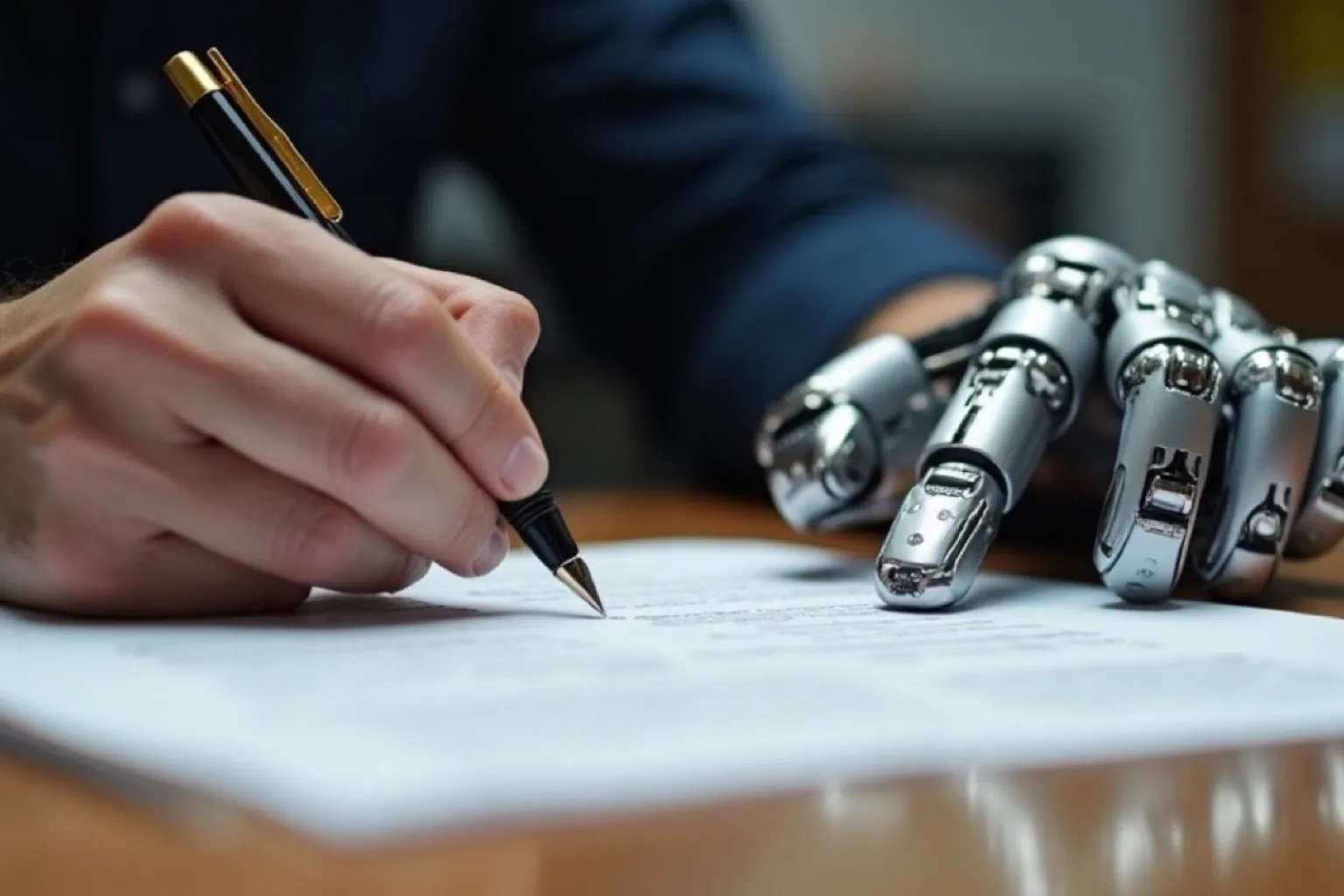
AI can draft a cover letter in seconds. The trick is turning that first draft into something specific, grounded, and unmistakably yours.
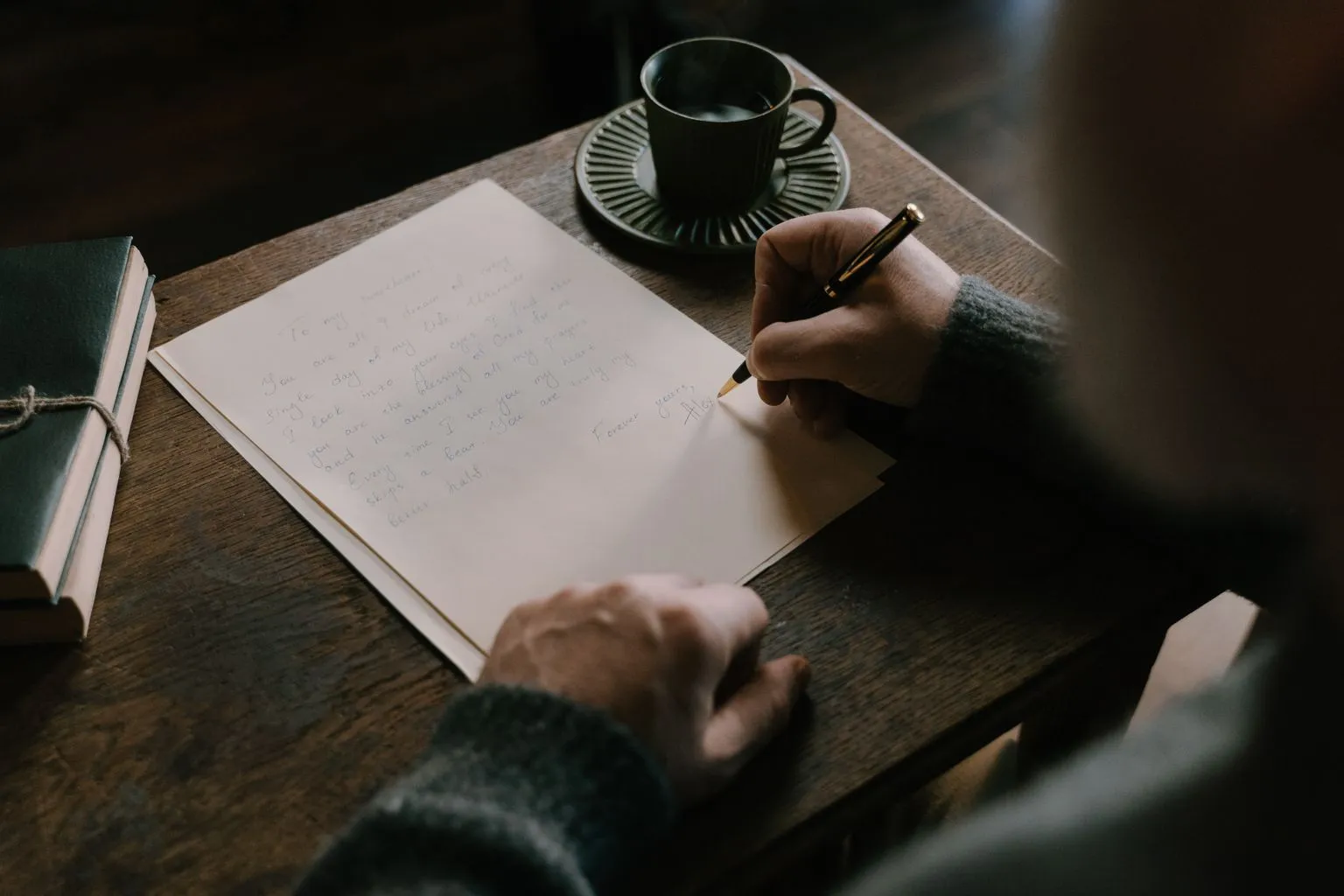
Picture the recruiter’s side of it for a second. It’s mid-morning, they’ve got a stack of applications for one open role, and they’ve already opened forty cover letters. By the tenth, they can feel the pattern arriving before they’ve finished the first line: the smooth, slightly formal opening, the tidy three paragraphs that hit motivation-then-fit-then-thanks, the confident sign-off that could be pasted onto any job at any company on the planet. They start skimming. By letter twenty, they’re barely reading at all.
That’s the shape of a cover letter someone typed “write me a cover letter for this job” into an AI tool and shipped without a second look. And here’s the uncomfortable part: it isn’t bad. It’s grammatically clean, professionally toned, entirely reasonable. It’s just interchangeable — and interchangeable is what gets skimmed and set aside. AI has made producing a cover letter effortless, which is precisely why the effortless ones now blur together into background noise.
Used well, though, that same speed is a genuine gift rather than a trap. The blank page is the part that stops most people from writing a per-role letter at all. AI removes it. It gets you to a specific first draft in seconds, which means your real energy — the scarce, valuable stuff — can go into the thing a machine can’t do for you: making the letter sound like someone who actually wants this job.
So it’s worth being clear about what actually goes wrong with the default draft, because the diagnosis points straight at the fix. The problem isn’t quality; it’s that a recruiter reads a cover letter looking for the one thing the generic version can’t provide. Your resume already lists what you did. The letter is supposed to carry what the resume can’t — your motivation, why this role in particular, a bit of your voice. When a letter could plausibly belong to anyone, it answers none of that, so it adds nothing and quietly cancels itself out. Notice, too, that the failure was never that a machine wrote it. Recruiters aren’t scanning for “AI-generated.” They’re reacting to generic. Those are different problems, and only one of them is real.
Specificity, then, is the whole fix — and it starts earlier than most people think, before you’ve edited a single word, in what you hand the tool. Give the AI the actual job description, the real company name, and two or three of your genuine accomplishments, because specific inputs are the only thing that reliably produces specific output; feed it “write a cover letter for a marketing role” and you’ll get exactly the beige, universal draft the recruiter is dreading. From there, anchor the letter to what the posting actually emphasizes instead of letting it drift toward a one-size template. Then do the part that matters most and that no tool will do for you: read it aloud and edit it until it sounds like how you actually talk. Cut the stiff throat-clearing — “I am writing to express my keen interest in the aforementioned position…” — that no human has ever said out loud. And keep one short, concrete story about your work, because a single real example carries more weight than a whole paragraph of confident adjectives. Finally, make sure the letter and your tailored resume are telling one consistent story rather than two that don’t quite know each other.
That story doesn’t have to be impressive to work — it has to be yours. “I improved onboarding” is a sentence a recruiter’s eyes slide right past. But imagine a candidate who instead spends two sentences on it: the messy handoff they inherited where new hires waited a week for access to anything, the small change they made to fix it, and what got easier afterward. Suddenly there’s a person in the letter. Nothing about it is dramatic. It’s just specific, and specific is memorable in a stack of forty that aren’t.
The reason cover letters get skipped or rushed in the first place is honest exhaustion — writing a fresh one for every role is genuinely draining, so people either abandon them or paste something generic and hope. BestApply is built to remove that trade-off. Our Auto Apply agent drafts cover letters tailored to each job description’s requirements, and a human assistant tunes the voice so it reads as yours rather than as a template — with a person reviewing before anything is sent. You get a per-role letter without staring down a blank page every single time.
So AI cover letters were never really the problem; generic ones are, and generic long predates AI. Use the tool to reach a specific first draft fast, then spend the energy you saved making it sound like a real person who wants this job — not a competent stranger who’d take any of them.
When a letter carries one true detail, one concrete story, and your actual voice, it stops reading as generated and starts reading as considered — and that’s the shift a recruiter feels even if they couldn’t name it. And if you’re weighing how much of this care is worth spreading across a whole search, it’s worth reading one-click apply vs tailored applications.